CALM PLANSensory overload
Sensory overload
recovery plan
Step-by-step support to reset and recover.
RECOVERY PLAN1 Step away2 Regulate
Download plan 
the toolkit
Free plans, checklists and clear words for difficult moments, everyday calm and helping other people understand.
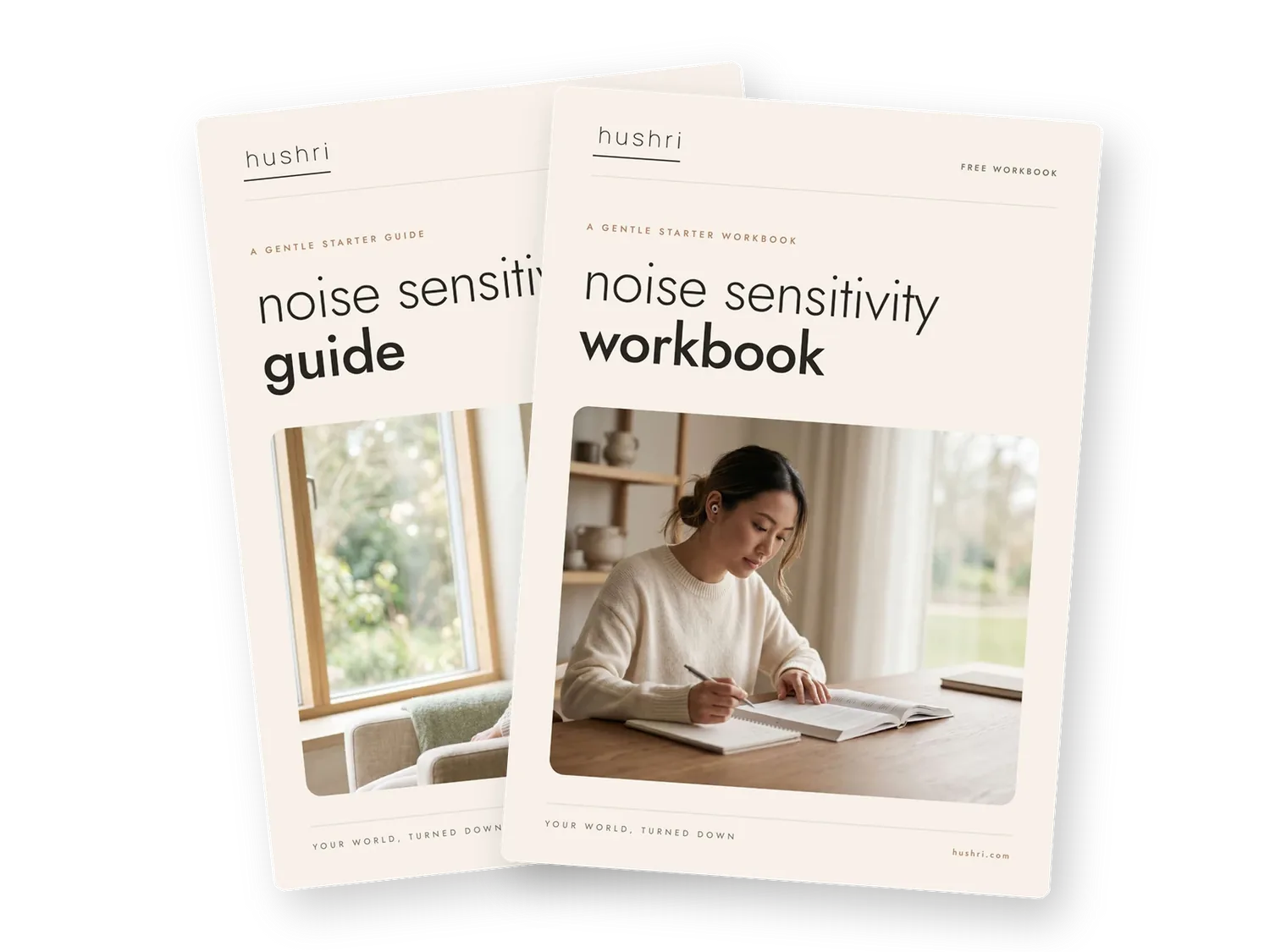
start here
A practical introduction with clear explanations, reflection prompts and simple planning tools you can use right away.
29clear pages
3guided worksheets
no sign-up100% free
Nothing to download and nothing to sign up for. Each one is private by design, and the breathing and sound tools keep working offline once you have visited them.
One bookmark for the hardest moments: a full-screen breathing circle and an optional gentle sound, and nothing else.
Open the quiet space ↗Guided breathing in your own pattern, box breathing, 4-7-8 and more, with optional background sound and a grounding exercise.
Visit the reset zone ↗Layer colour noises into your own mix in gentle stereo, set a sleep timer, and share a mix you love with a single link. Not sure where to begin? Use the sound guide.
Open the sound mixer ↗A gentle noise check using your device's microphone. If the number is high, it is not you being too sensitive.
Check the noise ↗A private diary for loud days: triggers, intensity and what helped. It stays on your device, and prints when you need evidence.
Open the free diary ↗A private noise sensitivity self-check. See your score, see where noise shows most, and print a personal quiet plan. It is not a diagnosis.
Take the self-check ↗Choose what meets the moment. Everything is free to keep.
Step-by-step support to reset and recover.
Plan with confidence, protect your energy.
Gentle ideas for making evenings and sleep feel more manageable.
Simple changes that make a big difference.
Clear words and examples to help people understand.
A clear starting point for asking for practical changes.
Small, clear cards for communicating needs in the moment.
Practical ideas for parents and carers.
A simple visual way to make transitions more predictable.
A gentle, visible way to ask for space without explaining again.